
Basement apartment
Turn a finished or unfinished basement into a private, income-producing rental with its own entrance.

New law starts Oct 1, 2026 — Utah’s new ADU law is now in effect
Utah just opened backyard ADUs on lots 11,000+ sq ft, and basement and garage units are already allowed in most cities. We design, permit, and build every type.
Free home review · Licensed & insured general contractor · Utah County & the Wasatch Front
01 — The new law
SB 284 (Utah Code § 10-21-304) opens the door to backyard homes across the Wasatch Front. Here’s the plain-English version.
Good to know: Eligibility depends on your city, zoning, HOA covenants, and utility capacity. We’ll confirm everything before you spend anything on design.
02 — What we build
Turn a finished or unfinished basement into a private, income-producing rental with its own entrance.

Convert an existing detached garage or shop into a permitted, livable unit, often the fastest path to rent.

Add a self-contained living space onto your home with its own private entrance. Great for family.
 Newly allowed on 11,000+ sq ft lots
A standalone home in your backyard, the type Utah’s new law opens up on larger lots.
03 — Home eligibility check
Answer a few questions. We’ll tell you what’s likely allowed, then confirm everything with your city before you spend a dollar.
04 — Income calculator
Pick your city, type, and size. Add financing to see your payment and monthly cash flow.
Your city
ADU type
Bedrooms
How you’d pay
Your current mortgage rate
This changes which option we recommend, not your payment.
Estimated monthly rent
–
Project cost
–
Payback
–
Monthly payment
–
Net cash flow
–
10-year net cash flow, midpoint estimate
Estimates only. One ADU per lot. Payback is before taxes, insurance, and upkeep.
05 — Paying for it
Homeowners usually borrow against equity they already have, then let the rent cover the payment. Here are the four routes, and the calculator above shows what each one does to your monthly numbers.
A line of credit against your equity. You draw only what you use as the build progresses, so you don’t pay interest on the whole amount up front. Rates move with the market.
Best for: basement and garage conversions, and anyone who wants flexibility.
A lump sum at a fixed rate with the same payment every month. Simple to budget against rent, and the payment can’t climb on you later.
Best for: people who want one predictable payment.
Pulls from your equity or funds the build in draws, spread over 30 years for the lowest monthly payment. A refi replaces your current mortgage, so it’s worth comparing if you have a low rate.
Best for: larger detached builds.
No payment, no interest
No loan, no approval, and the rent is yours from the first month. Most people who go this route are converting a basement, where the cost is lowest.
Best for: smaller projects and anyone sitting on savings.
We’re builders, not lenders, and nothing here is a loan offer. Tell us you want financing help on the form and we’ll walk you through the options during your review.
06 — Permits, handled
Every city is rewriting its rules right now. We stay on top of it so you don’t have to guess.
Current ordinance, zoning, setbacks, HOA covenants, and utility capacity, researched for your specific lot.
We submit everything and manage all the back-and-forth with your city so you don’t have to.
If one type isn’t allowed, we’ll show you the one that is: a basement unit, garage conversion, attached addition, or a smaller design.
We confirm eligibility before any design work. No promise of approval, just the facts for your lot.
07 — Process
One team handles the whole thing: research, design, permits, and construction.
Week 1
We research your zoning, lot size, HOA, and utilities, then tell you exactly what your home allows, at no cost.
Weeks 2–8
Floor plans, engineering, and every permit. We handle all the back-and-forth with your city.
10–20 weeks
Licensed crews handle site prep, framing, mechanical, electrical, plumbing, and finishes, inspected at every stage.
Final week
Final inspection, punch list, and a rent-ready unit handed off with permits closed out.
08 — Who it’s for
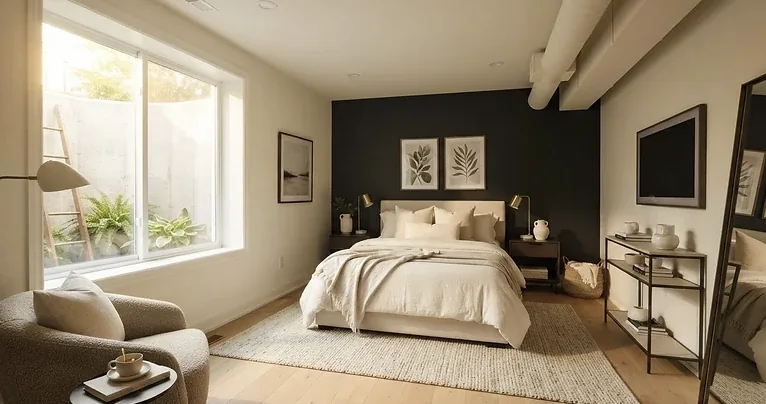
Offset your mortgage with a long-term tenant paying $1,200–$2,000 a month, depending on size and location.
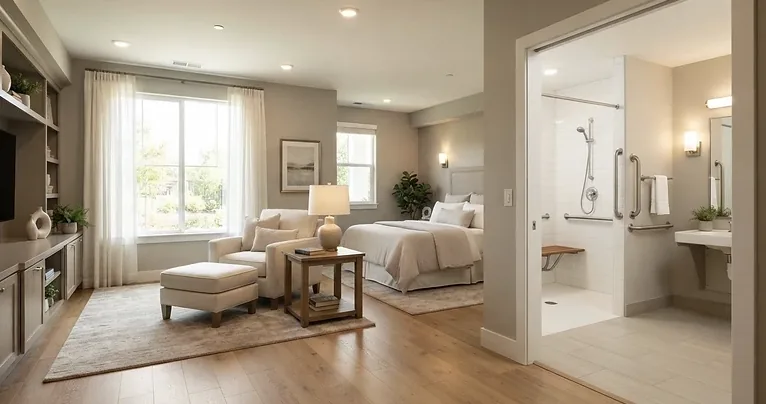
Keep aging parents close or give adult kids their own space, without losing privacy for anyone.
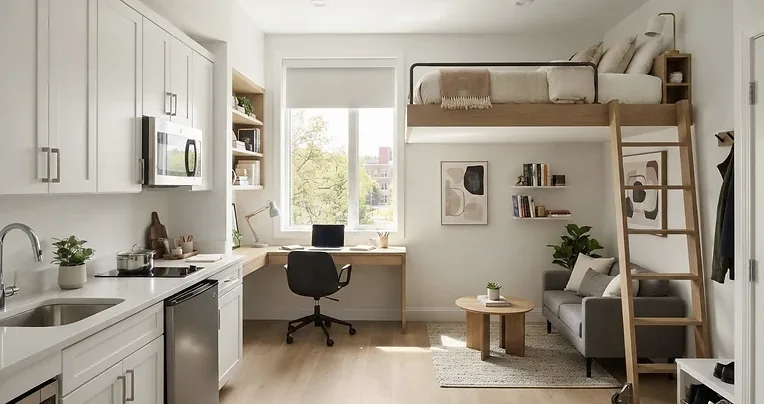
Near BYU or UVU? A clean, well-built unit rents fast to students and covers your costs.
Optional add-on
After the build, we can place a vetted tenant and handle rent, maintenance, and turnovers, so the income shows up without the work. Just check the box on the request form.
SB 284 is a 2026 state law, now Utah Code § 10-21-304. Starting October 1, 2026, it requires most Utah cities with 5,000 or more residents in the state’s more populated counties to allow a detached ADU on single-family lots of 11,000 square feet or more. Cities still set details like setbacks, height, and parking.
No. The law adds the detached, backyard option. Basement apartments, garage conversions, and attached additions are still options, and internal ADUs like basement apartments have been allowed in most Utah neighborhoods since 2021.
Most Utah County cities are covered, including American Fork, Lehi, Orem, and Provo. Covered cities must allow a detached ADU on qualifying lots, but each city writes its own rules for size, setbacks, parking, and owner occupancy, and some are still finalizing them. We check your city’s current rules for you.
You still have options. Many cities allow detached ADUs on smaller lots, and basement apartments usually don’t depend on the 11,000 sq ft mark at all. We’ll tell you which types fit your lot.
In most Utah neighborhoods, yes. A legal basement apartment needs things like proper egress windows, ceiling height, fire separation, and a permit. Many cities also require the owner to live on the property. We design to code and handle the permit.
Often, yes, if the structure was legally built. It usually needs insulation, utilities, egress, and other upgrades to meet code for living space. The new law also requires covered cities to create a path for converting existing legal accessory buildings.
Possibly. The new law doesn’t change private HOA covenants (CC&Rs), and some restrict ADUs. We review your covenants as part of your free home review.
Generally no. Utah allows one ADU per lot, either internal or detached. We’ll help you pick the type that works best for your property and goals.
In many cities, yes. Owner-occupancy rules are common: the owner lives in either the main house or the ADU. Requirements vary by city, and we’ll confirm yours.
It depends on the type and your home. Basement and garage conversions usually cost the least because the structure already exists. Attached additions and detached cottages cost more because they’re new construction. Use the calculator for a ballpark, then get an exact quote after your free review.
In Utah County, most ADUs rent for roughly $1,000 to $2,000 a month depending on size, finish, and location. Many cities don’t allow short-term rentals in ADUs, so plan on long-term leases.
Most projects take about 3 to 7 months from your first call to move-in. Basement and garage conversions are usually faster. City permit review is the biggest variable, and we manage it for you.
Common options include a HELOC, a cash-out refinance, or a construction or renovation loan. Some lenders will consider the ADU’s future rent. We’ll walk you through the options during your review.
Yes. After the build, we can help place a vetted tenant and handle rent, maintenance, and turnovers. Just check the box on the request form.
Free home review
We’ll confirm what’s allowed on your lot and what it could earn, before you spend anything on design.
Rather talk now? Call (435) 919-7275
We’ll cover this on your call
We’ll review your home and call you within 1 business day. Want to talk sooner?